When Is Air Duct Mold Removal and Remediation Necessary?
If you have noticed a musty smell coming from your vents every time your HVAC system kicks on, you are not imagining things. That odor is one of the most common early signs that mold or mildew has taken hold somewhere inside your heating and cooling system. Knowing when HVAC mold remediation is actually necessary, versus when a simple cleaning will do the job, can save you time, money, and a lot of frustration. The challenge is that mold inside ductwork is often invisible from the outside, which means many homeowners do not realize they have a problem until symptoms have been building for months.
What Is HVAC Mold Remediation?
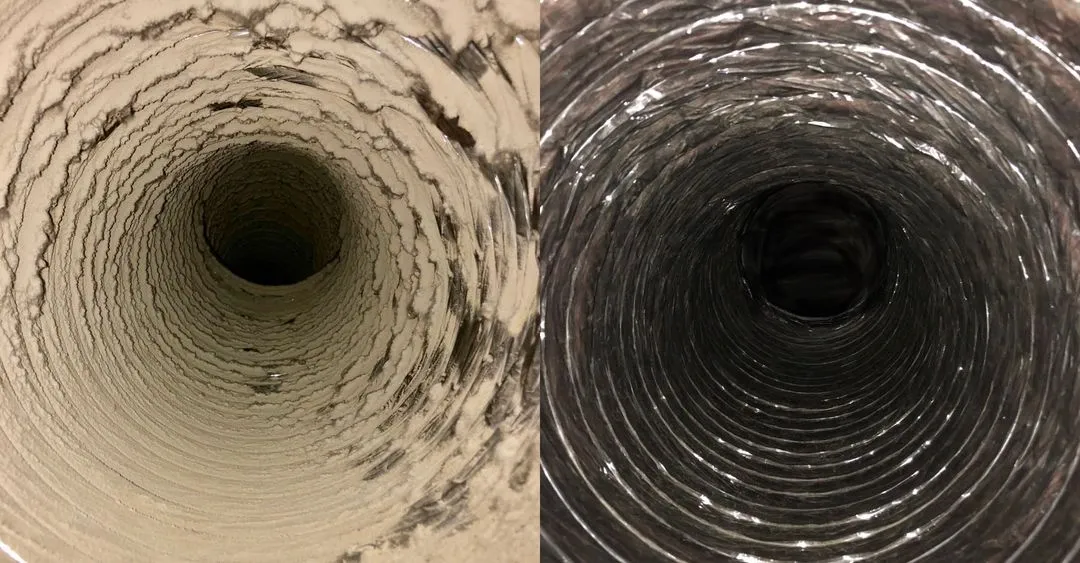
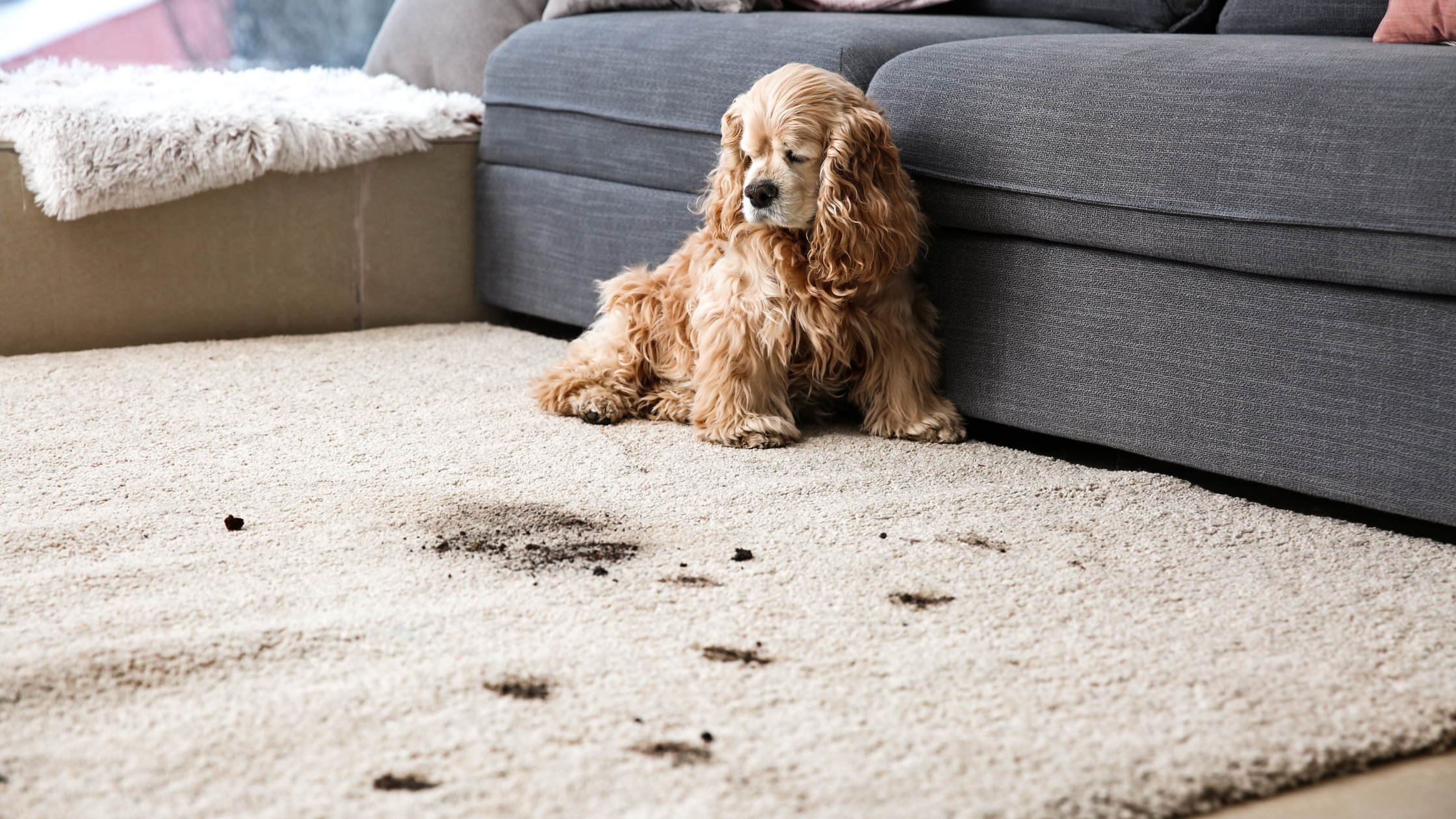
HVAC mold remediation is the process of identifying, removing, and treating mold growth inside your ductwork, air handler, coils, or other components of your heating and cooling system. It goes beyond standard duct cleaning because it involves treating the source of the mold, not just the visible buildup. When mold spores are allowed to circulate through your home via the HVAC system, they can settle on carpets, furniture, and walls, creating secondary contamination that can be much harder and more expensive to address.
It is also worth understanding what separates remediation from a routine cleaning visit. A duct cleaning removes dust, debris, and loose particulate from your system. Remediation goes further: it addresses biological contamination that has embedded itself in duct liner materials, coil surfaces, or drain pans. The two services are not interchangeable, and treating a mold problem with a standard cleaning can actually make things worse by disturbing colonies without fully eliminating them.
According to the CDC, indoor mold exposure is linked to a significantly increased risk of respiratory symptoms, asthma, and hypersensitivity pneumonitis, particularly in homes with poor ventilation. This is exactly why letting mold sit inside your ductwork is not a risk worth taking.
Why It Matters For Your Health
Mold inside an HVAC system is not contained to one area—every time the system runs, it can circulate spores and contaminants throughout the entire home. Studies have shown that airborne mold exposure is linked to increased respiratory symptoms, including coughing, wheezing, and asthma flare-ups, even in otherwise healthy individuals.
Research also shows that indoor dampness and mold can increase the risk of developing asthma by up to 30–50%, and are associated with a wide range of health issues such as respiratory infections, bronchitis, and allergic reactions.
Because HVAC systems actively distribute air, they can also spread mold spores more efficiently than other sources, increasing overall exposure and making symptoms more persistent over time.
Signs You May Have Mold Hiding In Your Air Duct System
There are several red flags that suggest your system needs more than a routine cleaning. A persistent musty smell that gets stronger when the HVAC runs is one of the clearest indicators. Visible dark spotting around your vents or inside registers is another. You may also notice that allergy symptoms or respiratory issues in your household seem to worsen when the system is running, and improve when you spend time away from home.
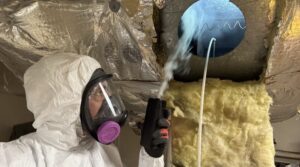
Other warning signs include condensation buildup on or around your ducts, a history of water intrusion or flooding near the unit, or a system that has gone without maintenance for several years. If your home has had any moisture problems, the interior of your ductwork is one of the first places mold can establish itself. Fiberglass-lined flex duct is especially vulnerable because the porous liner holds moisture and provides an ideal surface for fungal growth.
You should also pay attention to patterns. If one family member with asthma or allergies notices that symptoms consistently worsen at home and ease elsewhere, that is a meaningful signal. Mold exposure affects sensitive individuals first and most severely, so their symptoms can serve as an early warning system for the rest of the household.
When Cleaning Alone Is Not Enough
A standard air duct cleaning removes dust, debris, and some surface-level contaminants. But if mold has colonized the duct lining or penetrated porous insulation inside the system, cleaning alone will not eliminate it. In those cases, antimicrobial treatment or full remediation of affected sections is required. The EPA specifically recommends replacing insulated duct materials when they become wet or contaminated with mold, because porous materials cannot be fully cleaned once mold has penetrated their surface.
Research on fungal growth in HVAC systems found that fungal contamination increases significantly with humidity and temperature, with duct linings and drain pans being the most common sites. If you live in an area with high humidity or have a home with limited airflow, your risk is elevated.
A separate study confirmed that duct cleaning alone does not provide adequate protection from the regrowth of fungal contamination on fiberglass duct liner. Systems that received antimicrobial treatment alongside mechanical cleaning showed substantially better outcomes. This is why a proper remediation protocol always includes both steps, not just one.
What the Mold Remediation Process Looks Like
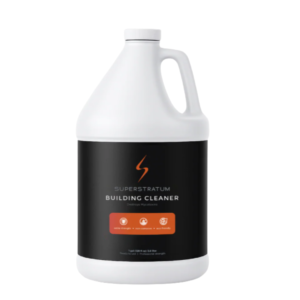
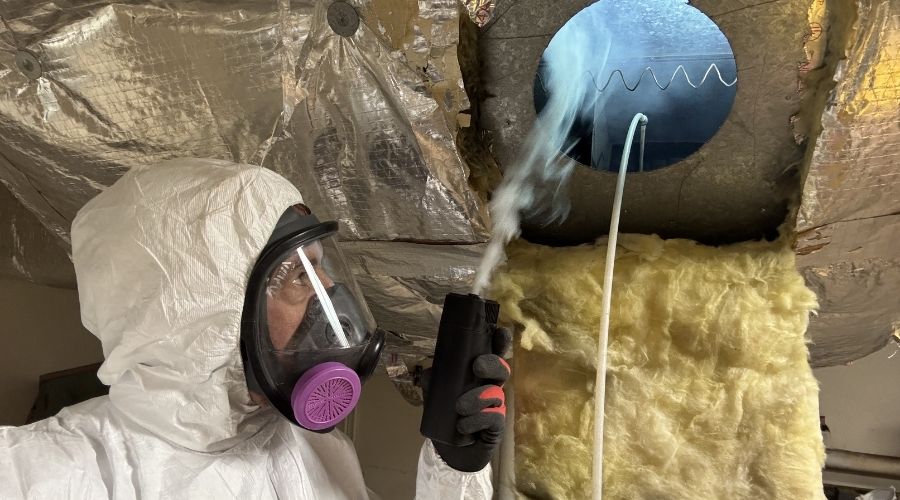
A professional HVAC mold remediation typically begins with a thorough inspection and assessment to determine the extent of the growth and locate the underlying moisture source. Without correcting the moisture issue, mold is likely to return no matter how thorough the cleaning is. From there, the technician isolates affected areas to reduce spore spread during work, removes contaminated materials where necessary, and performs mechanical cleaning to remove debris, dust, and visible contamination from the system. As part of that process, Superstratum Building Cleaner may be used after cleaning to help break down mycotoxins and microbial residues left behind on HVAC surfaces. It is typically applied with a ULV fogger or sprayer so it can reach interior system surfaces more thoroughly. Once the system has been cleaned and treated, Superstratum Endurance Coating Pro can be applied as a final step to leave behind a durable antimicrobial coating designed to help inhibit future microbial growth on treated surfaces.
The process should always end with a clearance check. A reputable service provider will not simply complete the work and leave. They should confirm that contamination levels have been reduced to acceptable thresholds and that the conditions that allowed the mold to grow have been addressed. This may also include recommendations for improving drainage, reducing indoor humidity, or sealing duct connections that allowed moisture intrusion in the first place.
Do Not Ignore the Warning Signs
Mold inside your HVAC system does not go away on its own. In fact, every time your system runs, it can spread spores further throughout your home and into areas that were previously unaffected. The longer you wait, the more extensive and expensive the remediation becomes. Acting early is always the better investment.
If you are unsure whether what you are dealing with requires remediation or just a standard cleaning, the right answer is to have it inspected by a professional. A qualified technician can assess what is actually happening inside your system and give you an honest recommendation.
Contact us today to schedule an inspection or to learn more about our air duct cleaning services in Lexington, KY.